Fast charging is a technological advancement that significantly reduces the time needed to recharge a device’s battery compared to standard charging methods. As our dependence on smartphones, tablets, laptops, and electric vehicles (EVs) grows, the need for efficient and rapid charging solutions has become paramount. Fast charging achieves this by delivering higher currents or voltages to the battery, allowing devices to gain a substantial amount of charge in a shorter period. This technology enhances user convenience and device usability, making it a vital feature in modern electronic devices.
The principle behind fast charging involves increasing the power delivered to the battery. Traditional chargers typically provide an output of 5 watts (5V/1A), which can take several hours to fully charge a device. In contrast, fast chargers can deliver 18 watts, 30 watts, or even higher power outputs. Technologies like Qualcomm’s Quick Charge, USB Power Delivery (USB-PD), and proprietary solutions from manufacturers like Apple and Samsung use various protocols to manage this increased power delivery safely and efficiently.
One of the primary advantages of fast charging is the significant reduction in downtime for device users. In today’s fast-paced world, the ability to quickly recharge a smartphone or laptop is critical for maintaining productivity and connectivity. For instance, some fast charging technologies can provide up to 50% battery capacity in just 30 minutes, ensuring users can get back to their tasks with minimal interruption. This is particularly beneficial for travelers, business professionals, and anyone who relies heavily on their devices throughout the day.
Fast charging is also crucial for the adoption and practicality of electric vehicles. Traditional EV charging methods could take several hours to fully charge a vehicle, posing a significant inconvenience for drivers. However, with the advent of fast charging stations, EVs can now be charged up to 80% in as little as 30 minutes, making long-distance travel and daily commuting much more feasible. This advancement is pivotal in promoting the widespread adoption of EVs, contributing to a reduction in carbon emissions and fostering a more sustainable future.
Despite its benefits, fast charging technology presents some challenges. The increased power delivery generates more heat, which can accelerate battery wear and reduce its lifespan if not properly managed. Manufacturers incorporate various safeguards, such as thermal management systems and intelligent charging algorithms, to mitigate these effects and ensure battery longevity. Additionally, not all devices and batteries are compatible with fast charging, and using incompatible chargers can lead to inefficiencies or potential damage.
The fast charging landscape continues to evolve, with ongoing research and development aimed at improving efficiency, safety, and compatibility. Emerging technologies, such as graphene-based batteries and solid-state batteries, promise even faster charging times and better thermal management, potentially revolutionizing how we power our devices in the future.
In conclusion, fast charging represents a significant leap forward in battery technology, addressing the growing demand for quick and efficient recharging solutions. It enhances user convenience, supports the adoption of electric vehicles, and pushes the boundaries of what is possible with portable and automotive power. As technology advances, fast charging is poised to become even more integral to our daily lives, ensuring that our devices are always ready to keep up with our fast-paced world.
Anker vs Samsung Power Bank: which is better for you? If you prioritize fast charging and portability, Anker takes the lead with its compact designs and efficient power output. However,…
Anker vs RAVPower power bank: which is better for your charging needs? This comparison reveals that Anker takes the lead for fast charging performance, while RAVPower excels in capacity and…
Anker vs Nitecore power bank: which is better for you? If you prioritize fast charging and high capacity, Anker emerges as the clear winner. However, if portability and lightweight design…
Anker vs Mi Power Bank: Which is better for you? If you're seeking the most reliable power bank for fast charging and durability, Anker takes the lead. However, if budget…
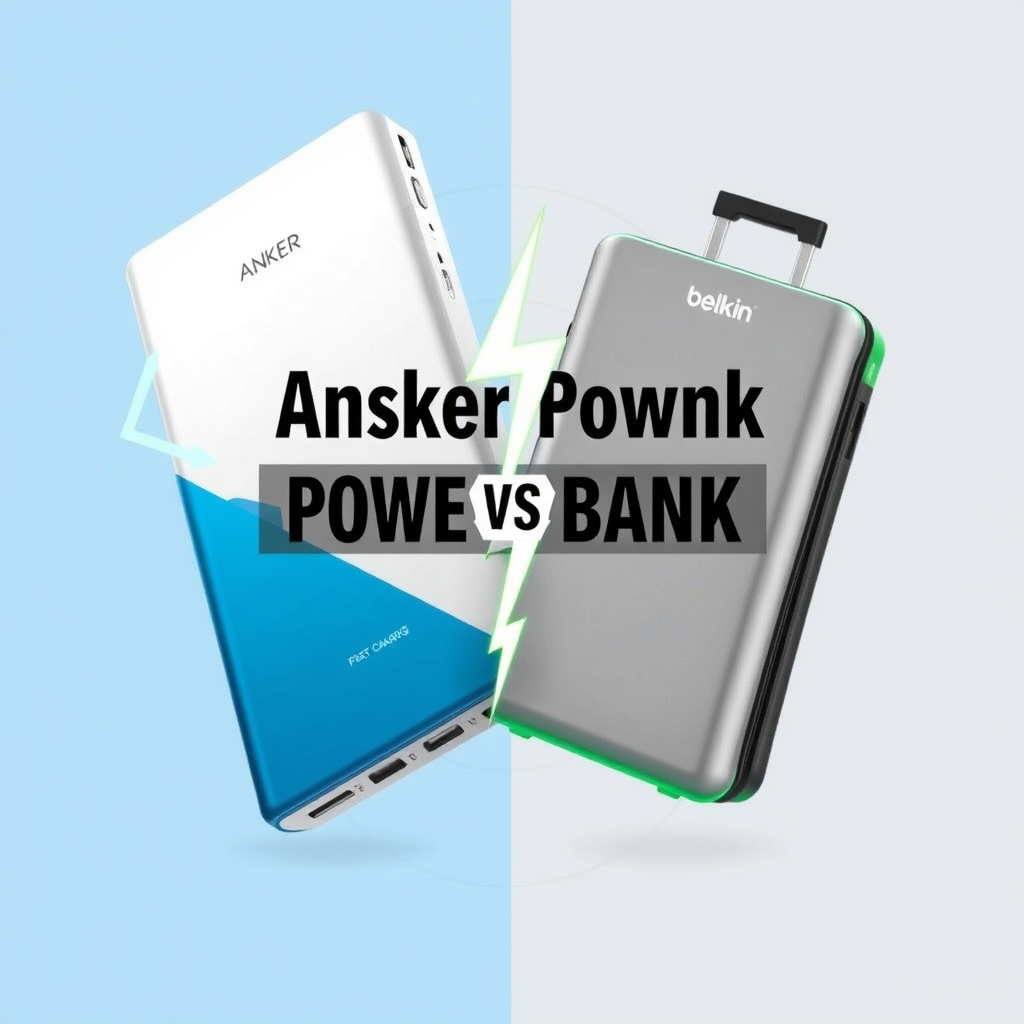
Anker Power Bank vs Belkin: Which Is Better for Your Needs? This comparison decisively answers that question, revealing which brand excels under specific conditions. If you prioritize fast charging and…
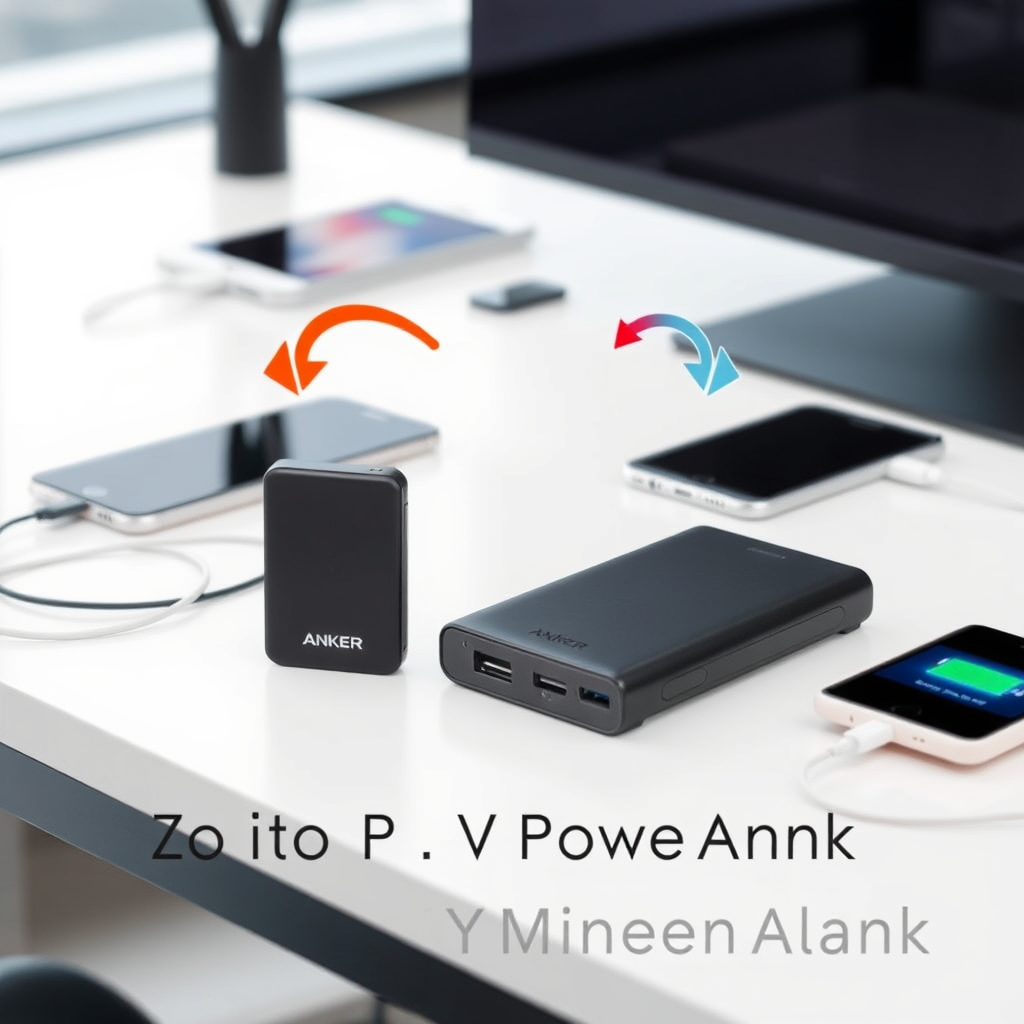
Anker Nano vs Zolo Power Bank: which is better for your needs? If you prioritize compact size and fast charging, the Anker Nano emerges as the clear winner. However, if…
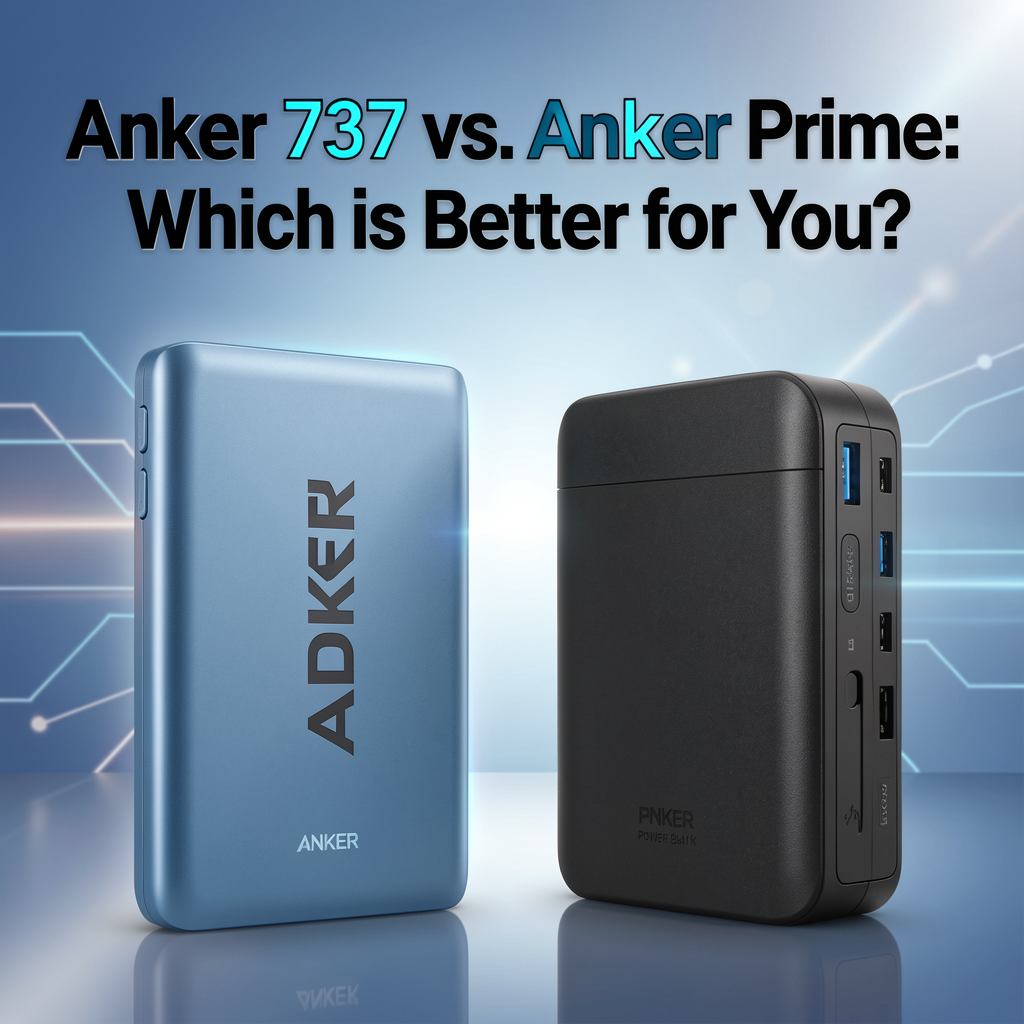
Anker 737 Power Bank vs Anker Prime Power Bank: which is better for you? If you prioritize fast charging and high capacity for demanding devices, the Anker 737 is your…
The Anker 733 outperforms the Prime Power Bank in fast charging capabilities, making it the superior choice for users who prioritize rapid power replenishment. This comparison reveals key differences in…
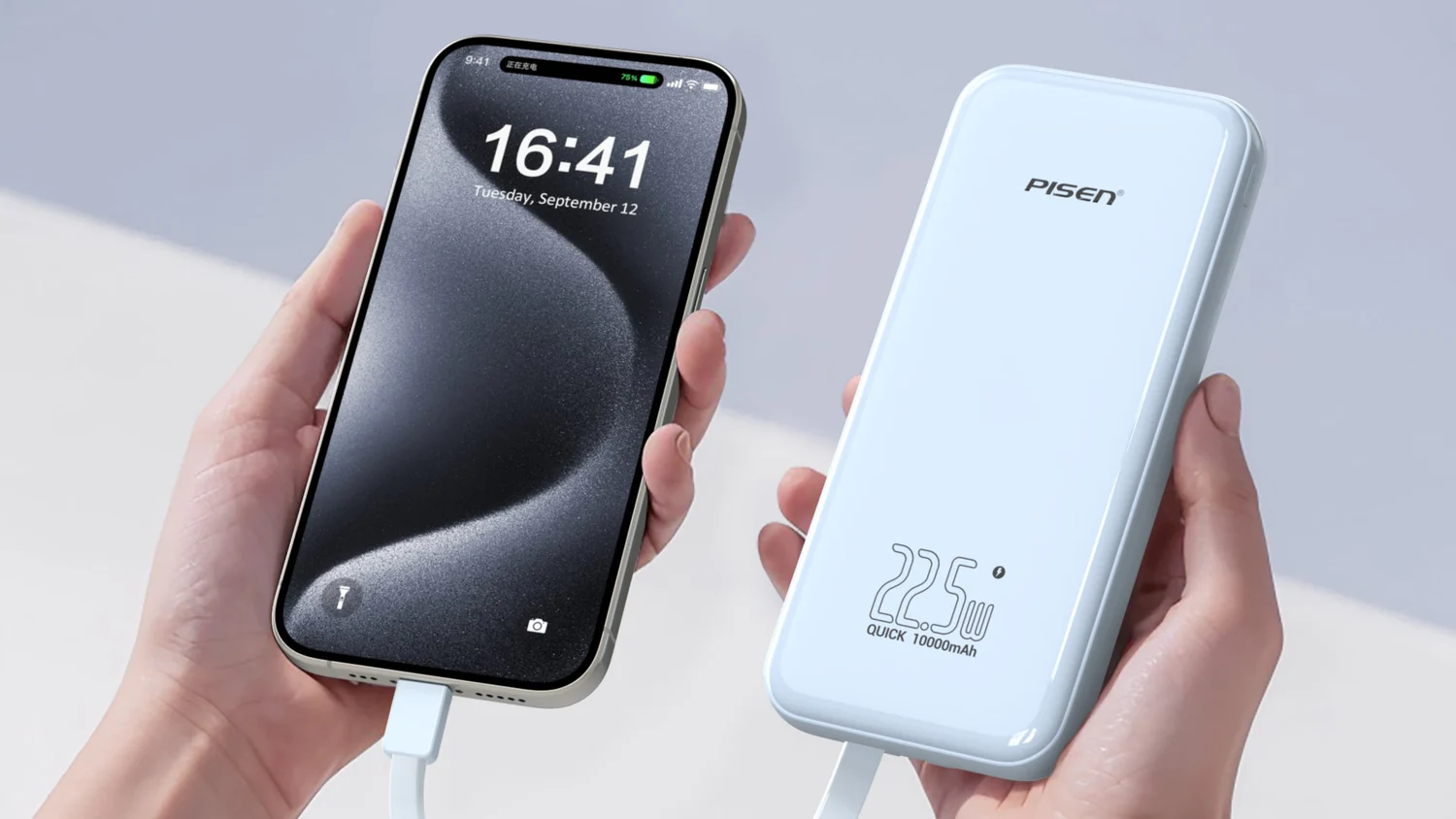
Choosing between a 20w and a 22.5w power bank hinges on your charging needs. If speed and efficiency are your top priorities, the 22.5w power bank emerges as the superior…
When considering a 15w vs 20w power bank, the choice hinges on your charging needs. If you prioritize faster charging for multiple devices, the 20w power bank is the clear…