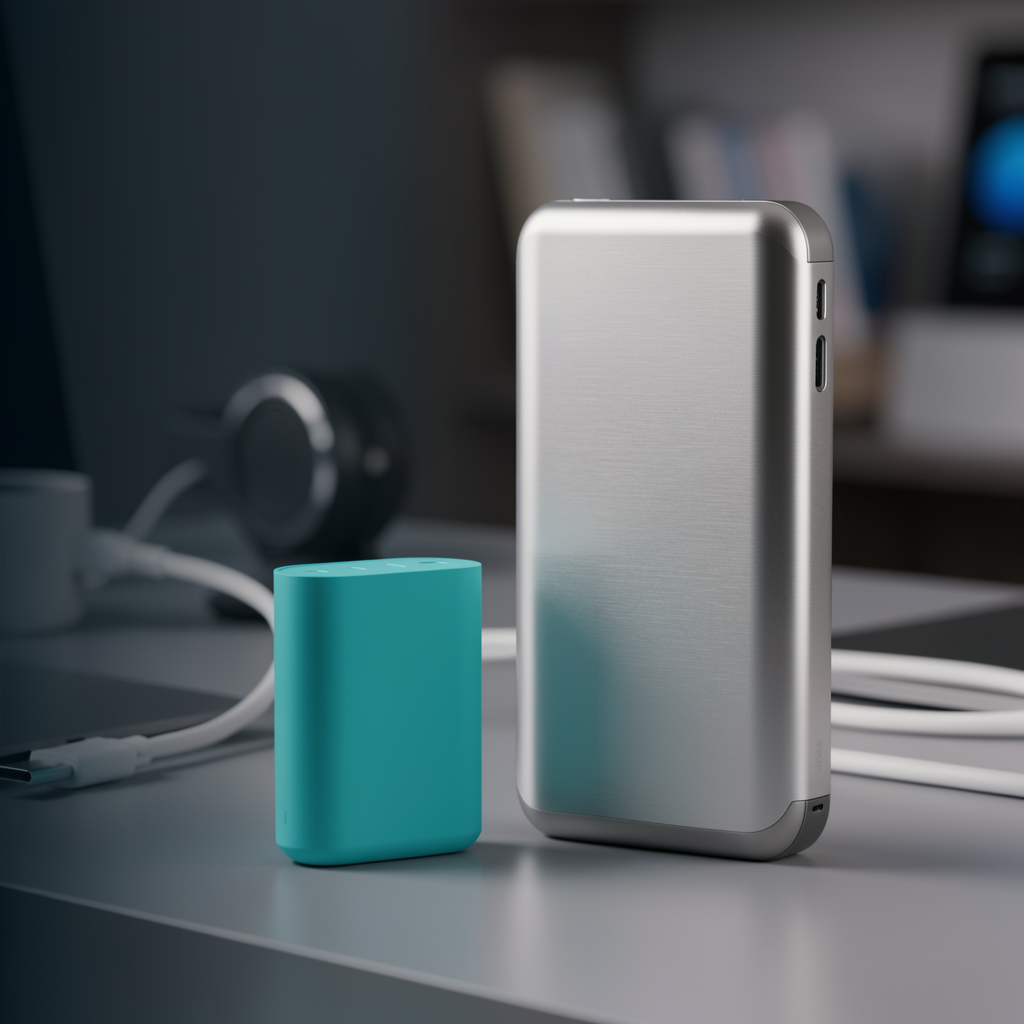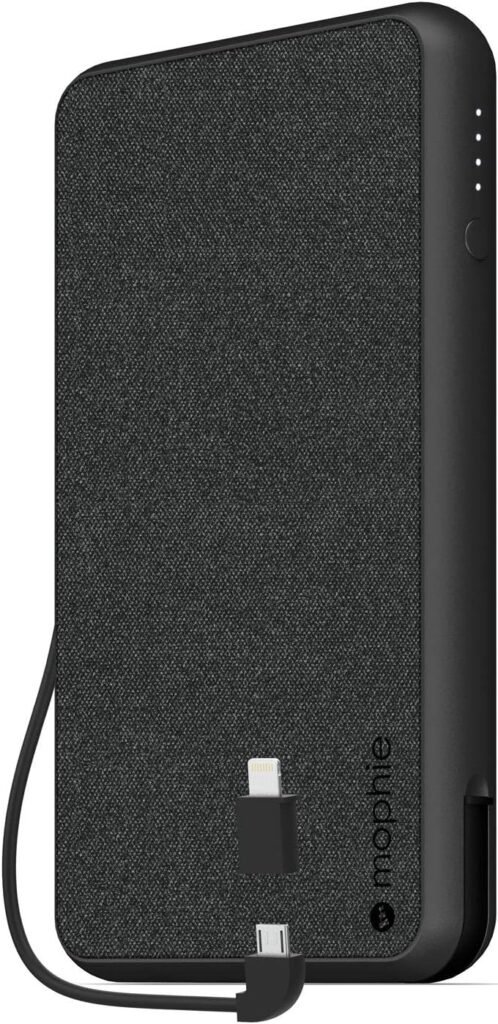
Portable chargers, often referred to as power banks, have become essential accessories in today’s tech-driven world. These compact devices provide a convenient solution for keeping electronic gadgets like smartphones, tablets, and even laptops powered up when access to a wall outlet is unavailable. With the increasing reliance on mobile devices for communication, entertainment, and work, the demand for portable chargers has surged, making them a staple in the everyday lives of many individuals.
The evolution of portable chargers has been marked by significant advancements in technology, leading to improved efficiency, capacity, and design. Early models were bulky and had limited capacity, often able to charge a smartphone only partially. However, modern power banks boast impressive battery capacities, with some models capable of charging multiple devices several times over. This has been made possible by advancements in battery technology, particularly the widespread adoption of lithium-ion and lithium-polymer batteries, which offer high energy density and longer lifespans.
One of the key features to consider when selecting a portable charger is its capacity, typically measured in milliampere-hours (mAh). Higher capacity power banks can store more energy, allowing them to charge devices multiple times before needing to be recharged themselves. For instance, a 10,000 mAh power bank can fully charge an average smartphone two to three times. However, higher capacity usually means a larger and heavier device, which can be less convenient for portability. Therefore, consumers need to balance capacity with portability based on their specific needs.
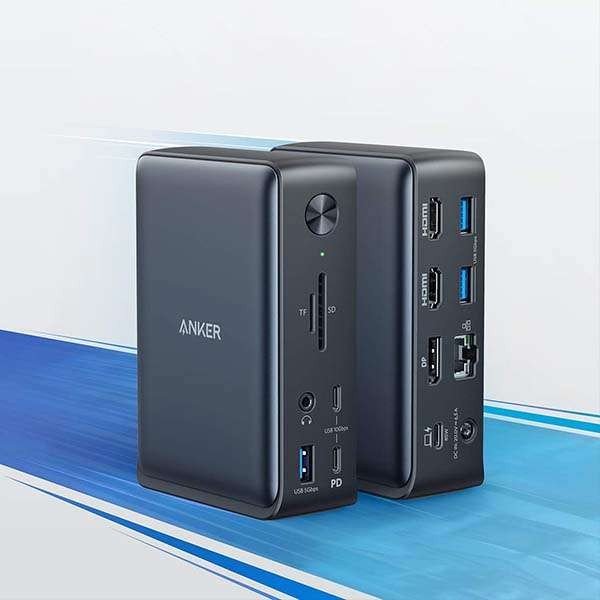
Another important aspect is the output power, measured in watts or amperes. Modern portable chargers come with multiple output ports, often supporting fast charging technologies like Quick Charge or Power Delivery (PD). These technologies significantly reduce the time required to charge devices, making them highly convenient for users who are always on the go. Moreover, some power banks also feature multiple input ports, allowing them to be recharged more quickly by using two chargers simultaneously.
Design and build quality are also crucial factors. High-quality materials ensure durability and resistance to everyday wear and tear. Many portable chargers now come with sleek, ergonomic designs that not only look good but are also easy to carry. Some even include additional features like built-in cables, LED indicators, and wireless charging capabilities, enhancing their functionality and user experience.
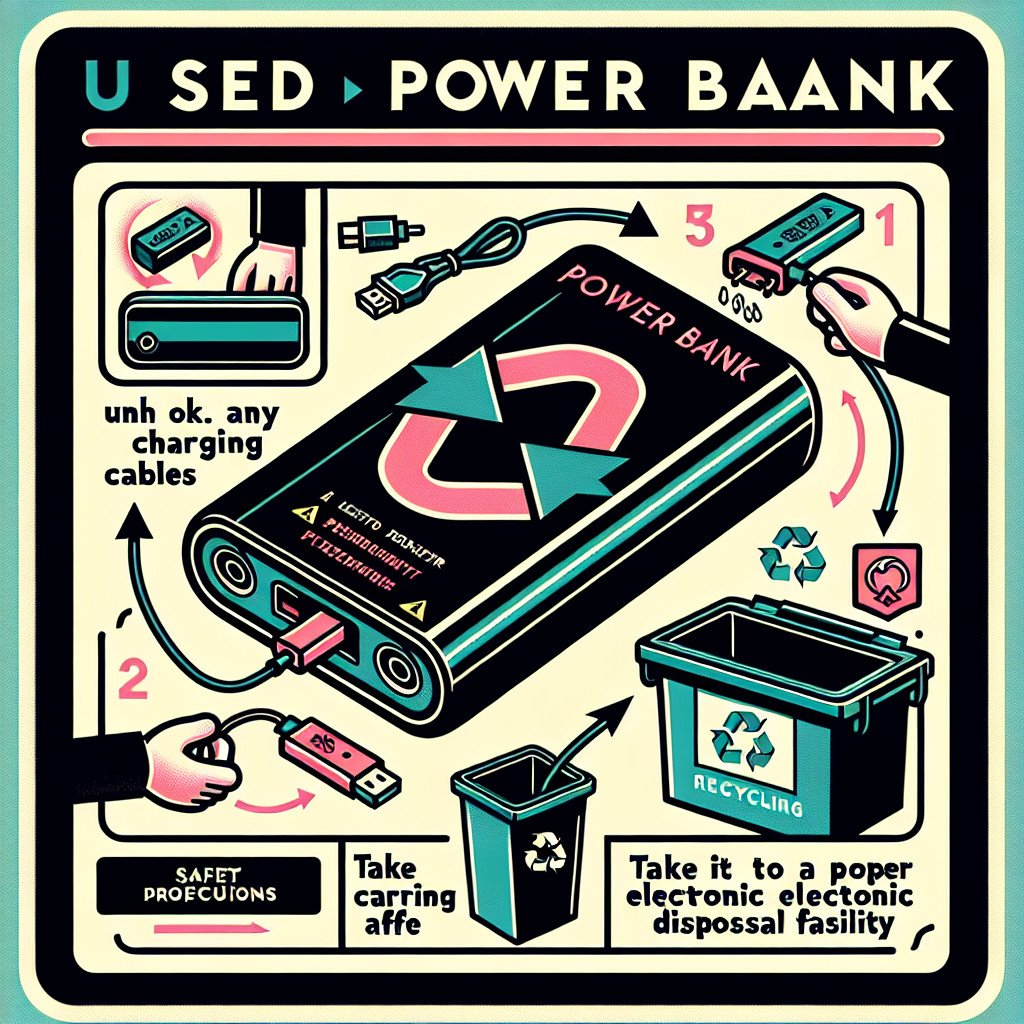
Environmental considerations are becoming increasingly important in the development of portable chargers. Manufacturers are exploring eco-friendly materials and energy-efficient technologies to reduce the environmental impact of these devices. Additionally, some companies offer recycling programs for old power banks, contributing to the broader effort of reducing electronic waste.
In conclusion, portable chargers have become indispensable in a world where staying connected is crucial. Their evolution reflects the rapid pace of technological advancements, catering to the growing demands of modern consumers. By offering a balance of capacity, power, and design, these devices ensure that we can keep our gadgets running, no matter where we are. As technology continues to advance, we can expect portable chargers to become even more efficient, compact, and environmentally friendly, further cementing their role as essential tools in our digital lives.
5k vs 10k power bank: which one is better for your needs? If you require portability and lightweight convenience for short outings, the 5k power bank is your best choice.…
Choosing between a 5000mAh and a 10000mAh power bank can significantly impact your charging experience. If you prioritize lightweight portability for short trips, the 5000mAh model is your best bet.…
Choosing between a 5W and a 45W power bank can significantly impact your charging experience. For those needing rapid charging for high-capacity devices, the 45W power bank is the clear…
Choosing between a 20w and a 22.5w power bank hinges on your charging needs. If speed and efficiency are your top priorities, the 22.5w power bank emerges as the superior…
When deciding between a 10k and a 20k power bank, the choice hinges on your charging needs and lifestyle. For those who frequently travel or rely on multiple devices, the…
When deciding between a 10000mAh power bank and a 20000mAh power bank, the choice hinges on your specific power needs and usage patterns. For light users who prioritize portability, the…
Power bank vs power station: which is better for your charging needs? If you’re frequently on the go and require a compact solution, a power bank is your best bet.…
Your power bank might not be charging your laptop due to a voltage and current mismatch, or it’s not designed to support your laptop’s power requirements. Check if your power…
To properly dispose of a power bank, first check for any damage like swelling or leaks. Fully discharge it before handling. Don’t toss it in regular trash; instead, research local…
To reset your Mophie power bank, first identify your model by checking the back or bottom of the device. Then, visit the Mophie Support Website to see if there are…